
If pregnancy does not occur within a year, we recommend that you undergo a full diagnosis, laboratory tests and tests in our clinic to identify the causes of miscarriage and non-pregnancy. Modern equipment and experienced doctors will be able to quickly determine the diagnosis and choose an individual method of treatment for male, female or mixed infertility.
The main problem for men is whether they produce high-quality, mobile and morphologically normal sperm. The main examination for a man is a spermogram. If the quality of sperm is low, the levels of FSH, LH and testosterone are tested, which provide information about the hormonal background of sperm formation.
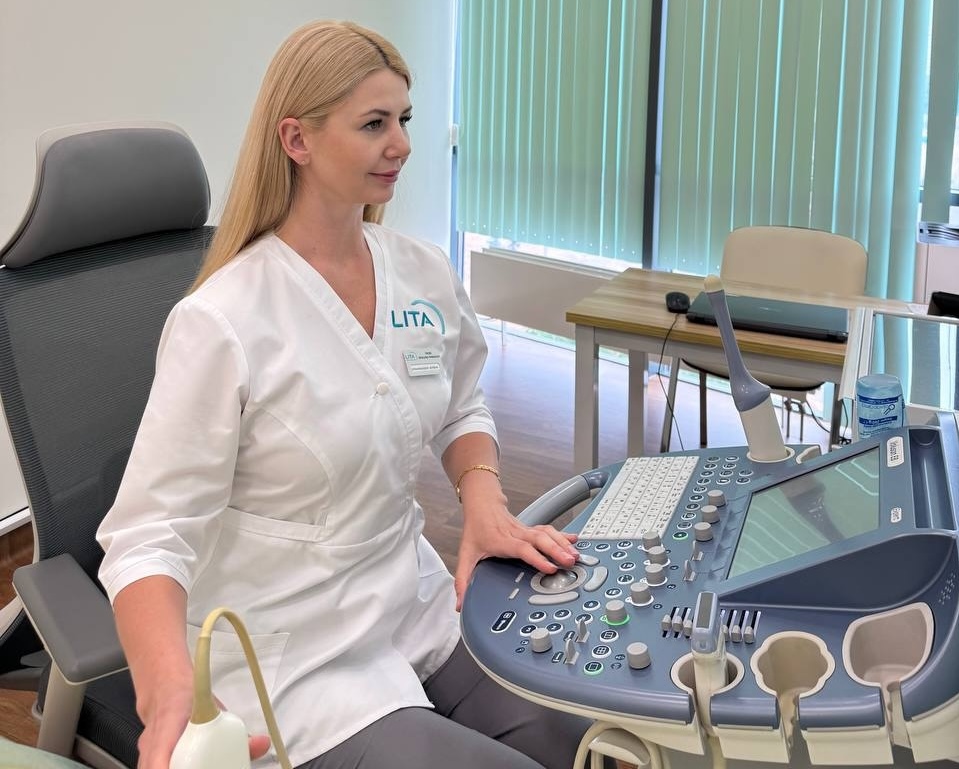
The primary task during the diagnosis of a woman’s reproductive health is to determine whether the egg is maturing and whether it can be combined with sperm in the fallopian tube. An ultrasound of the uterus and ovaries, vagina is required, depending on the phase of the menstrual cycle. Ultrasound allows you to determine the size and shape of the uterus, the presence of nodes (fibroids), the thickness and quality of the endometrium. It also provides information about the condition of the ovaries, the growth of follicles and the presence of cysts or endometriosis.
It is also important to determine the hormonal background of the woman. A blood test provides information about the functioning of the ovaries, their ability to form mature eggs and possible reactions to stimulating drugs. The levels of follicle-stimulating hormone (FSH) and luteinizing hormone (LH) are tested. It may also be necessary to determine the concentration of anti-Mullerian hormone (AMH), which provides information about the ovarian reserve. The standard component of the hormonal test is the determination of prolactin (PRL) and thyroid-stimulating hormone (TSH).
Hysteroscopy and laparoscopy allow you to directly examine the abdominal cavity, uterus, fallopian tubes and ovaries. Laparoscopy is used in the diagnosis and treatment of endometriosis, as well as in the assessment of fallopian tube patency, post-inflammatory conditions and postoperative adhesions.
Genetic testing is performed after repeated spontaneous miscarriages or repeated unsuccessful IVF cycles. With the help of modern laboratory tests, it is also possible to identify problems with cellular immunity and develop individual treatment.
Diagnosis: infertility is not a sentence, let’s solve the problem together!